
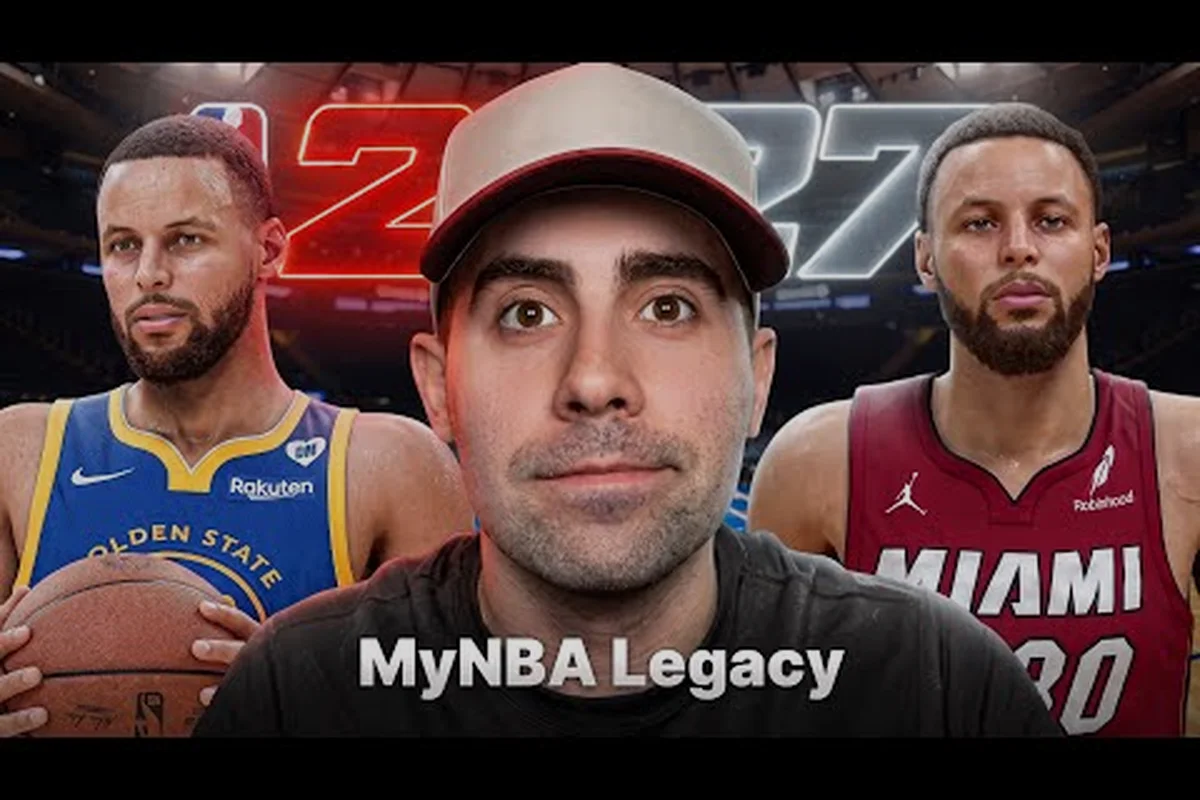
Finding your next NBA 2K27 MyNBA Rookie of the Year can transform a struggling franchise into a championship contender within two to three seasons. The draft represents the most cost-effective pathway to elite talent, offering players on rookie-scale contracts who develop into cornerstone pieces while maintaining financial flexibility. GMs who master the scouting process, draft selection timing, and developmental pathways consistently build deeper rosters with higher ceiling potential. This guide covers every phase of identifying, acquiring, and nurturing future stars in your MyNBA franchise. The comprehensive MyNBA guide outlines proven frameworks for constructing championship-caliber teams through strategic scouting and player development.
Understanding the NBA 2K27 Scouting Pipeline
The scouting system in NBA 2K27 MyNBA operates as a multi-stage pipeline that rewards patience and strategic resource allocation. Before you can evaluate talent effectively, you need to allocate scouts to specific regions and invest time into building comprehensive player profiles. Your scouting department's budget determines how thoroughly your scouts can investigate prospects, with deeper scouting reports revealing hidden attributes and potential badges that don't appear in surface-level assessments.
Scouts work across four primary regions: domestic college programs, international leagues, G-League showcases, and free agency pools. Each region produces different player archetypes with varying development curves. Domestic prospects typically arrive with higher immediate ratings but slower ceiling growth, while international players often show lower starting attributes but greater long-term potential. Assigning scouts based on your franchise's timeline matters significantly—contending teams benefit from quick-READY players, while rebuilding franchises should prioritize high-upside international prospects.
The scouting progress bar fills based on weeks spent investigating a prospect, and rushing this process leads to incomplete data. Incomplete scouting reports may hide significant weaknesses in attributes like lateral quickness, stamina, or playmaking IQ. These hidden deficiencies often surface during actual gameplay, causing rookies to underperform their rated potential. Experienced MyNBA managers recommend completing at least 75% scouting progress before making draft decisions on first-round prospects. This patience pays dividends in the quality of your draft selections and reduces the likelihood of drafting players who cannot contribute meaningfully to your system.
NBA 2K27 MyNBA Trading Picks: Maximizing Draft Asset Value
Trading draft picks requires understanding both the immediate value of selections and their long-term asset potential. NBA 2K27 MyNBA trading picks operates on a pick value system where each selection carries inherent worth based on its position and projected draft class strength. Acquiring additional picks multiplies your chances of landing impact players, but overpaying for picks depletes the assets you need for roster construction around your new acquisitions.
Protected vs unprotected picks represent the core distinction that determines trade value in MyNBA. An unprotected first-round pick carries maximum trade value because it conveys regardless of where your team finishes in the standings. Protected picks, however, lose their value if they fall within the protected range, meaning the original team retains the selection. When negotiating for draft assets, always clarify protection terms before finalizing any trade package.
The optimal trading window for draft picks opens approximately four weeks before the draft and closes when teams submit their final selections. During this window, other CPU-controlled franchises adjust their valuations based on their scouting completion and roster needs. Exploiting these misalignments lets you acquire picks at favorable rates. For example, a team with multiple guards at the same position may accept a lateral roster upgrade plus a second-round pick rather than holding an underutilized asset.
Consider the following trade value framework when evaluating pick-based transactions:
| Pick Position | Fair Market Value | Lowball Threshold | Overpay Territory |
|---|---|---|---|
| Top 5 | Elite prospect + expiring contract | Two firsts unprotected | Three firsts minimum |
| Picks 6-14 | Starting-caliber player or two seconds | Late first + young asset | First + role player |
| Picks 15-30 | Quality role player or three seconds | Two seconds + cash | First for late pick only |
| Second round | Rotation player or four seconds | Cash considerations | Never trade firsts for seconds |
The draft day trade represents your highest-leverage moment for acquiring assets because other GMs face time pressure and limited alternatives. When you identify a target prospect falling in your board, having pre-arranged trade packages for picks at adjacent positions lets you move up efficiently. Conversely, when you hold multiple picks in the same range, trading down for additional assets often yields better long-term value than selecting two similar players at the same position.
Development Focus: Building the Rookie Development Plan
Once you've secured your future star, establishing a clear NBA 2K27 MyNBA development focus becomes the difference between reaching All-Star potential and plateauing as an average contributor. Player development in MyNBA follows a three-pillar system encompassing attribute growth, badge progression, and situational experience. Neglecting any pillar creates gaps that opponents exploit during critical game moments.
Role minutes serve as the foundation of rookie development because game experience directly drives attribute improvements in specific categories. A point guard playing 30 minutes per game will develop playmaking attributes faster than the same player riding the bench for 10 minutes, but the playing time must match appropriate role expectations. Forcing a rookie into minutes beyond their readiness level creates negative momentum through turnovers, missed shots, and defensive lapses that compound into confidence issues.
The development plan interface lets you assign focus areas that accelerate growth in targeted attributes. During the offseason, you can designate primary and secondary development focuses that guide how the CPU allocates training resources. Prioritizing shooting mechanics for a guard with 70 three-point rating accelerates that category faster than spreading training evenly across all attributes. Concentrated focus creates noticeable jumps in specific areas by mid-season, giving your rookie reliable skills to build around.
| Development Focus | Attribute Categories Affected | Ideal For Archetype |
|---|---|---|
| Scoring | Close, mid-range, three-point, free throw | Wing scorers, guards |
| Playmaking | Pass accuracy, ball handle, post move | Point guards, facilitators |
| Defense | Perimeter defense, interior defense, steal, block | Lockdown defenders |
| Athleticism | Speed, acceleration, vertical, strength | Slashers, rim runners |
| Versatility | Balanced across all categories | Two-way players |
The Takeover development tracking reveals which abilities your rookie can unlock during pressure situations. Certain badge categories unlock only through demonstrated competence during clutch minutes, meaning your rookie must experience meaningful game situations before their full potential activates. Balancing developmental playing time against winning priorities requires weekly assessment of your franchise's competitive standing and adjustment of minutes distribution accordingly.
NBA 2K27 MyNBA Best Rebuild Strategy: Long-Term Championship Planning
Executing a successful rebuild requires balancing immediate pain against future reward. The NBA 2K27 MyNBA best rebuild strategy involves three distinct phases that transform lottery-bound teams into perennial contenders. Each phase has specific objectives, timelines, and decision-making criteria that guide your roster construction choices throughout the multi-season process.
| Phase | Timeline | Primary Focus | Win Total Target | Core Development Target | Draft Position Goal |
|---|---|---|---|---|---|
| Phase 1 | 1-2 seasons | Asset Accumulation | 20-35 wins | Acquire unprotected picks, young players with potential, and expiring contracts | Top-3 lottery selections |
| Phase 2 | 1-2 seasons | Player Development & Culture Building | 35-45 wins | Maximize young core potential; structured rotation meritocracy | 4-10 range with development focus |
| Phase 3 | 1-2 seasons | Competitive Optimization | 50+ wins | Core reaches 80+ overall ratings; add elite veterans | Championship window; target specific roster gaps |
Phase one focuses on asset accumulation through strategic tanking and trade deadline activity. During this phase, your goal is acquiring unprotected picks, young players with potential, and expiring contracts that expire before your competitive window opens. Accepting short-term losing records generates ping-pong ball odds that increase your chances at top selections. Trading veterans for picks and prospects rather than win-now pieces defines successful phase-one management.
Phase two concentrates on player development and culture building. With foundational pieces acquired, you shift focus from asset collection to maximizing the potential of your young core. Implementing structured rotation systems, establishing playing time meritocracy, and maintaining organizational patience through early-season struggles characterizes effective phase-two execution. Rushing this phase by trading picks for win-now veterans frequently derails promising rebuilds.
Phase three involves competitive optimization once your core players reach 80+ overall ratings. This is when championship window planning requires aggressive but calculated moves to address remaining roster gaps. Adding elite veterans through free agency or trade becomes viable because your young core provides sufficient talent to attract complementary players. The luxury tax implications of maintaining your roster during phase three determine whether you sustain success or experience a quick decline.
The timeline expectation for complete rebuild cycles ranges from three to five seasons depending on draft luck and development decisions. Teams that secure top-three picks in consecutive drafts compress this timeline significantly compared to teams picking in the 8-14 range repeatedly. Understanding your franchise's position on this timeline prevents premature all-in moves that sacrifice long-term ceiling for short-term wins.
NBA 2K27 MyNBA Role Player Tips: Building Championship Depth
Even the most talented rookies need supporting casts to reach their potential. Understanding NBA 2K27 MyNBA role player tips helps you construct rosters where every player fills a specific function that complements your developmental priorities. Role players in MyNBA operate under different economic and developmental frameworks than stars, requiring distinct acquisition and management strategies.
Contract efficiency determines role player value more than raw attributes. A 72-rated role player on a two-year deal at $8 million annually provides more value than an 80-rated player demanding $25 million in the final year of their contract. Budget-conscious roster construction lets you allocate resources toward retaining your drafted core while filling remaining slots with cost-effective specialists.
The archetype complementarity principle guides role player acquisition around your rookie's skill gaps. If your developmental project excels at scoring but struggles defensively, prioritizing defensive specialists at other positions creates balanced units. Conversely, surrounding a two-way rookie with elite shooters maximizes their playmaking by ensuring defenders cannot sag off their assigned assignments to double the rookie.
Veteran mentorship provides hidden bonuses that don't appear in standard stat sheets. Veterans with high Leadership and Professionalism ratings accelerate the development of adjacent young players through practice session interactions. Allocating mentorship-heavy veterans to your rotation alongside prospects creates cumulative development bonuses that compound across seasons. These mentorship effects become particularly valuable during the second and third years of rookie development when small rating improvements translate to meaningful competitive advantages.
NBA 2K27 MyNBA Luxury Tax Guide: Financial Sustainability
Roster construction decisions carry long-term financial consequences that extend beyond individual player contracts. The NBA 2K27 MyNBA luxury tax guide helps you navigate salary cap implications while maintaining competitive roster flexibility. Luxury tax payments reduce the resources available for scouting, development staff, and facility upgrades that directly impact player growth rates.
Tax threshold awareness prevents unexpected budget constraints during the regular season. The NBA's apron system creates multiple penalty tiers that activate based on total team salary relative to established limits. Crossing the first apron threshold limits sign-and-trade capabilities and mid-level exception options. The second apron imposes stricter restrictions on draft pick trading and roster size flexibility. Understanding which apron your roster approaches guides contract decisions months before the tax deadline arrives.
Strategic salary matching in trades lets you acquire valuable players while managing tax exposure. Taking back contracts of similar value keeps your payroll stable while improving roster quality. Expiring contracts represent particularly valuable trade assets because they create future cap space that reduces tax exposure in subsequent seasons. Flipping high-salary veterans for picks and prospects during the trade deadline accomplishes both roster improvement and tax reduction simultaneously.
The rookie scale extension timing significantly affects long-term luxury tax exposure. Players entering their fourth season qualify for maximum contract extensions that may exceed their market value if development has stalled. Evaluating whether to extend a rookie before their fifth-year option becomes guaranteed requires honest assessment of their ceiling and fit within your championship timeline. Extending players too early locks in salary commitments that may become poor value if performance plateaus.
Frequently Asked Questions: Developing Rookies and Winning ROTY
How long does it take to fully scout a prospect in NBA 2K27 MyNBA?
Full scouting completion requires approximately 4-6 in-game weeks depending on your scouting department budget allocation. Scouts assigned to domestic prospects typically work faster due to travel proximity, while international scouting missions require additional preparation time. Prioritizing your top 10 prospects for complete scouting ensures you have reliable data for first-round decisions while accepting less thorough information for second-round selections.
Should I draft for position need or best available player?
Best available talent consistently outperforms position-based drafting in MyNBA because positional versatility allows roster flexibility as your team evolves. Drafting a superior player at a crowded position lets you trade excess value for assets at positions of need, while drafting for immediate need often results in selecting lesser talents who cannot develop into foundational pieces. Trust the board and acquire value through subsequent transactions.
What's the ideal rookie minutes distribution during a rebuild?
Rookies should receive 20-28 minutes per game during the first half of the season, increasing to 28-34 minutes after the All-Star break if performance justifies expanded roles. This gradual increase allows adjustment to NBA speed while maintaining confidence through manageable expectations. Complete rest should be avoided unless injuries require it because game experience provides irreplaceable development benefits that cannot be replicated through practice sessions alone.
How do I know when a rookie has reached their development ceiling?
Player potential in MyNBA follows a trajectory that becomes evident after three full seasons. If attribute gains slow to less than 2-3 points per category per season despite consistent playing time and development focus, the player has likely reached 85-90% of their ceiling. Players continuing to gain 5+ points per category beyond their fourth season show remaining development runway that may extend their timeline by 1-2 additional seasons.
Can I develop multiple rookies simultaneously?
Yes, MyNBA supports simultaneous development of up to six rookies on your active roster without significant efficiency loss. Development focus assignments and mentorship pairings let you address multiple prospects simultaneously, though attribute category competition may occur if rookies share similar training priorities. Managing competing development needs requires strategic rotation adjustments to ensure each prospect receives appropriate development attention throughout the season.