
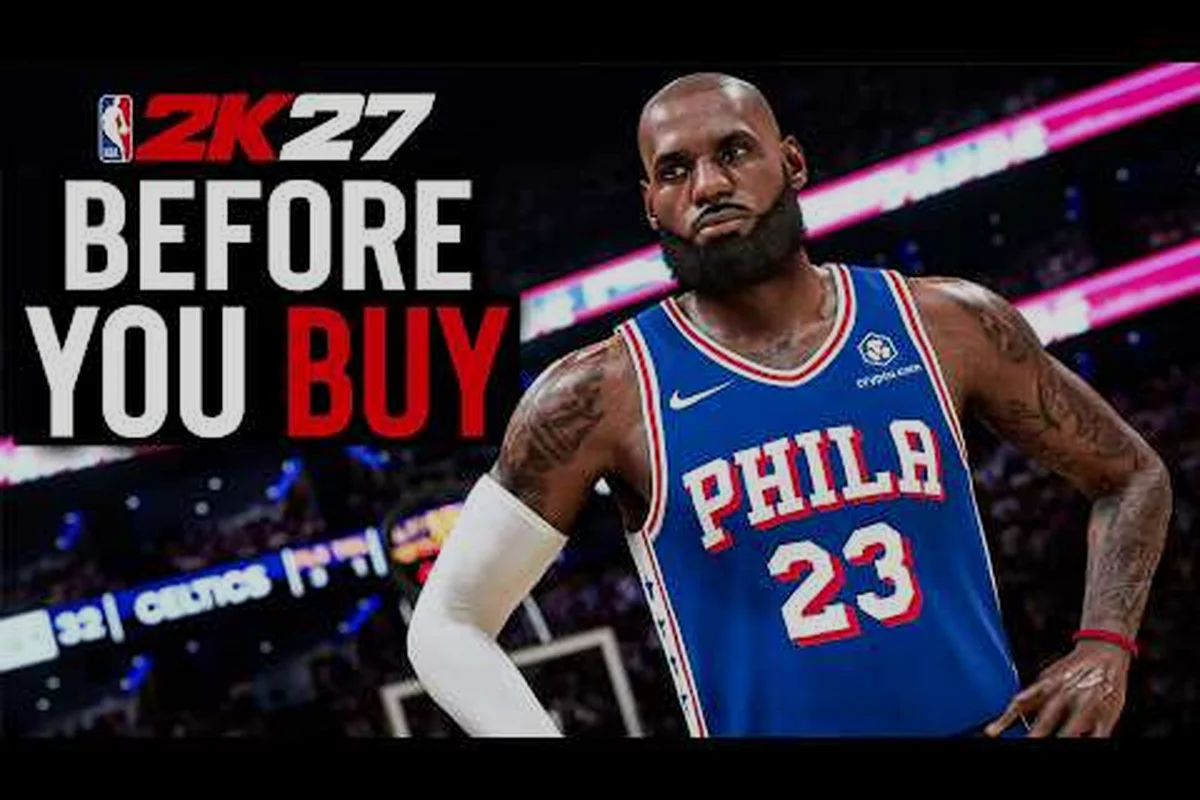
Mastering screen usage separates average players from those who consistently break down defenses in NBA 2K27. Whether you're running the point in myGM mode or competing in online play, understanding when to set picks, how to read defensive rotations, and where to position off-ball teammates directly determines how many easy looks you generate. A well-timed screen creates a two-on-one situation almost instantly, forcing the defense to commit and opening passing lanes that didn't exist a second earlier. This guide covers every layer of effective screen play, from basic pick-and-roll mechanics to advanced playcall timing that keeps opponents guessing all game long.
Understanding the Three Core Screen Types
Before diving into reads and reactions, players need to internalize the three fundamental screen types that form the foundation of every offensive possession. Each serves a distinct purpose, and mixing them strategically prevents the defense from anticipating your next move. The ball screen remains the most common setup, where a teammate positions themselves between your dribbler and the nearest defender to create a temporary advantage. Ball screens work especially well when your ball handler has a reliable mid-range pull-up or when the roll man poses a lob threat that stretches the defensive shell.
The off-ball screen targets movement away from the primary ball handler, designed to free a cutter or spot-up shooter who currently doesn't have the rock. These screens require precise timing because the screener's teammate must be moving at full speed to maximize the brief window of separation created. Off-ball screens shine against aggressive on-ball defenders who chase over picks instead of fighting through them, turning athletic persistence into their own downfall. The flare screen functions as a specialized off-ball variant where the screener positions at an angle to redirect a player toward the sideline or corner, often used to respace the floor after a possession stalls.
| Screen Type | Primary Purpose | Best Used When |
|---|---|---|
| Ball Screen | Create dribble penetration | Roll man is strong finisher; handler has pull-up |
| Off-Ball Screen | Free cutter or shooter | Defense overpursues on-ball; shooter needs reset |
| Flare Screen | Redirect toward corner | Floor spacing needed; player needs angle advantage |
Pick-and-Roll Reads: What to Look For Every Time
The pick-and-roll generates its power from the defensive decision it forces, and understanding these reactions separates effective operators from those who run the same action into a wall. When the defender hedges the ball screen aggressively, your handler should attack the space behind the hedging big, often finding a pocket pass that splits the two defenders. This hedge-and-recover approach has become increasingly common in higher-level play, which means reading it correctly yields a clean look at the rim or an open roll man for a dump-down finish.
If the defender drops the big instead, keeping them between the ball and the basket, your handler gains a mid-range jump shot opportunity while the roll man rolls hard to the basket. The key here is recognizing that the drop creates vertical space in the lane, so passing early to the rolling big before the defense recovers produces better results than waiting for the perfect window. Ice coverage, where the defense forces the ball handler away from the screen toward the sideline, requires your handler to navigate the cones while maintaining patience. Waiting for the screener to slip or calling for a secondary ball screen resets the geometry in your favor.
Switching creates mismatches that savvy players exploit immediately. When a smaller defender ends up on your rolling big, posting up or driving for a high-percentage layup becomes the obvious choice. Conversely, if your guard draws a center, using speed and dribble moves to attack the rim before the switch fully establishes itself produces easy baskets. The NBA 2K27 how to run plays basics cover these read progressions in more detail for players still building their defensive recognition instincts.
Setting Screens: Timing, Positioning, and Communication
Becoming the player others want on their team means understanding what makes a screen truly effective beyond simply standing near a defender. Timing matters more than positioning because a screen set too early allows the defender to adjust, while one set too late catches no one. The sweet spot arrives when your teammate begins their dribble move toward the help defender, giving you one beat to plant and become immovable. Screens that catch defenders mid-stride create maximum contact and separation, especially when you angle your body to control the retreat path rather than just blocking forward momentum.
Positioning for off-ball screens differs significantly from ball screens because the stationary player must anticipate where their teammate will be, not where they currently stand. Setting up two to three steps ahead of your teammate's anticipated path, angled toward the defender's outside shoulder, creates the cleanest escape route. This angle matters enormously against navy blue or zone-style defense that tries to funnel players toward help rather than allow straight-line drives. The screen should force the defender to choose between fighting over (slowing them down) or going under (giving up an open jumper).
Spacing after setting a screen determines whether your work translates into points. Rolling to the basket immediately after contact is essential, but so is staying active if the defense collapses. Many players set excellent screens only to stand flat-footed afterward, wasting the advantage they created. Diving toward the rim for a potential pass, then resetting to the short corner if nothing materializes, keeps the defense rotating and eventually creates an open look. For players seeking faster progression, mastering off-ball movement tips translates directly into setting smarter screens because understanding where you want to go helps you position your body better.
Off-Ball Movement: Getting Open Without the Ball
Half of effective offense happens without anyone touching the ball, and players who master off-ball cutting consistently draw less attention from defenders looking to cheat toward the play. V-cuts involve running toward the baseline before reversing direction sharply toward the free throw line or three-point arc, using the defender's forward momentum against them. This movement works best when the ball handler holds their dribble momentarily, giving the cutter time to complete the reversal and establish position. Running a V-cut directly into a teammate setting a down screen amplifies the effect, creating a wall that defenders must navigate around while the cutter accelerates through the opening.
| Cut Type | Exit Zone | Ideal Defender Gap | Pass Timing Window | Effective When |
|---|---|---|---|---|
| V-Cut | Free Throw Line / 3PT Arc | 8-12 ft from ball | 0.6-0.9 seconds | Defender overplays initial path |
| V-Cut + Down Screen | Paint Elbow | 10-15 ft from ball | 0.8-1.2 seconds | Defender fights through screen |
| L-Cut | Elbow / High Post | 6-10 ft from ball | 0.5-0.8 seconds | Full-court press or trap |
L-cuts serve a different purpose, redirecting a player from the perimeter toward the elbow or high post to receive a pass or relieve pressure on the ball handler. This cut works especially well against full-court press or aggressive half-court trapping because it provides a safe outlet while moving the ball to a more dangerous position on the floor. The key to a successful L-cut is planting hard on the outside foot before driving toward the basket, using that plant to change direction sharply without losing speed. Making this cut at the right moment, rather than simply whenever pressure arrives, keeps the defense from timing their traps perfectly.
Backdoor cuts punish aggressive on-ball denial by suddenly reversing toward the basket when the defender overplays the passing lane. These cuts require the ball handler to hold their dribble or make a pocket pass into the paint, timing that demands constant communication between the cutting player and their teammate. A well-executed backdoor cut against a denial defender produces a layup or an open corner three, depending on how aggressively the defense rotates. Players who incorporate backdoor cuts into their regular movement patterns find that defenders automatically give more cushion, which then makes every other cut more effective. Watching how off-ball movement tips integrate with shooting mechanics reveals why these cuts matter so much for shot quality.
Playcalling Strategy: When to Call vs. When to Read
Understanding when to rely on called plays versus live reads separates elite playmakers from those who become predictable regardless of their offensive playbook. Pre-designed plays work best when you have identified a specific mismatch or when the defense is clearly communicating their coverage through positioning. For example, calling a spread pick-and-roll when the opponent's big is hedging aggressively sets up a high-percentage read that both players recognize immediately. Pre-called plays also provide structure for newer players still learning how to navigate pick-and-roll coverage without second-guessing every decision.
Live reads become necessary when the defense adjusts continuously or when your personnel creates natural advantages that the playbook cannot anticipate. Running four-out or five-out sets without calling specific actions lets the ball handler read the floor organically, attacking whoever steps up to contain the dribble. This approach works particularly well against zone defenses that rotate between soft spots rather than following ball screens directly. The freedom to improvise within a structured spacing framework produces better results against active defenses that learn your playcall tendencies over the course of a game or match.
The NBA 2K27 playcalling guide recommends blending both approaches strategically, calling plays to force specific reactions before abandoning the design to attack whatever the defense shows in response. Mixing called plays with 15-20 seconds of improvisation prevents opponents from cataloging your tendencies and planning accordingly. This balance becomes especially important in playoff-style matchups where multiple games allow opponents to study and adjust their defensive approach.
Timeout Management: When to Stop the Clock
Timeouts represent a finite resource that, when used correctly, can shift momentum, break scoring droughts, or preserve a lead in the final minutes. The most common mistake players make is burning timeouts reactively after allowing easy baskets rather than using them preventively to set up defensive adjustments. Calling a timeout after a made basket when the opposing team is gaining confidence can reset their momentum, especially if you've identified a specific play or player causing problems. Conversely, allowing a bad shooter to go unconscious because you saved your timeout for a "more important" moment wastes a strategic opportunity.
Offensive flow timeouts work best when you want to run a specific set after a made basket or when your team has generated good looks but failed to convert due to unlucky bounces. Pausing to reset the spacing and communicate the next action keeps good possessions rolling rather than letting pressure or frustration introduce sloppy decision-making. These timeouts cost you the ball in hand but preserve the offensive rhythm that created the opportunity in the first place. Coaches recommend using these breaks to discuss secondary options rather than repeating the same first look that the defense has now adjusted to stop.
End-game timeout strategy deserves special attention because possessions become exponentially more valuable as the clock winds down. NBA 2K27 how to use timeouts covers the defensive side, but offensively you should use your final timeout to set up a sideline out-of-bounds play or a quick-hitting set that gets the ball into your best player's hands with space to operate. Saving both your remaining timeouts for the last two minutes of a close game keeps your options open while preventing the opponent from dictating the pace. The table below summarizes optimal timeout timing for different game situations.
| Game Situation | Timeout Purpose | When to Call |
|---|---|---|
| Opponent on 6-0 run | Momentum break | After their 4th point |
| Good shot quality but missed | Reset flow | After the miss, before defense sets |
| End of quarter | Set up final shot | 5-6 seconds remain |
| Final 2 minutes, tied/close | Best play setup | 30-40 seconds on shot clock |
| Defensive mismatch identified | Exploit mismatch | During live play, before help arrives |
Advanced Screen Concepts: Elevating Your Court Vision
Beyond the basics, several advanced screen concepts separate truly elite operators from solid players who understand the fundamentals but lack the creative instincts that keep defenses guessing. Staggered screens involve two players setting consecutive picks on the same action, usually for a shooter running off a down screen followed immediately by a second screen from the opposite side. The timing required for staggered screens is precise because the second screener must plant as the first screen's window closes, creating a continuous wall that forces defenders to navigate multiple obstacles while the shooter accelerates toward the three-point line.
Zipper screens set a quick pick near the elbow as a player cuts from the corner toward the top of the key, immediately receiving the ball with momentum toward the basket. This action works exceptionally well against man-to-man defense that doesn't communicate screen alerts effectively, as the quick handoff catches help defenders late to the play. Zipper screens also work as reset actions when the primary offense stalls, giving your best shooter a quick catch-and-shoot opportunity that resets the shot clock favorably.
Spain pick-and-roll concepts, named after Spain's national team popularization of the action, involve a second screener setting a pick for the roll man as he receives the ball. This creates a secondary advantage against defenses that successfully stop the initial pick-and-roll, adding complexity that forces multiple defenders to react simultaneously. Implementing Spain actions requires players to recognize the initial coverage and communicate non-verbally about when the second screener should slip. Teams that practice these sequences extensively gain significant advantages in late-game situations where the defense has successfully contained standard actions.
Frequently Asked Questions: Common Screen Usage Questions Answered
How do I tell my teammate to set a screen when playing online?
Use the in-game communication wheel or quick-chat commands to signal your intentions. Press the designated button to bring up options, then select the screen request that fits your intended action. Combining verbal calls with actual positioning ensures your teammate understands both when and where you need the pick.
What's the difference between a screen and a pick in NBA 2K27 mechanics?
Mechanically, screens and picks function identically in NBA 2K27, creating a stationary obstruction that defenders must navigate around. The terminology difference reflects basketball convention where "screen" typically implies movement after contact while "pick" suggests a more stationary set, but in-game the result remains the same for offensive purposes.
Should I always roll to the basket after setting a screen?
Not necessarily. Reading the defense determines whether rolling, slipping, or popping creates the best outcome. If the hedging defender recovers quickly, popping to the three-point line for an open jumper often produces better results than fighting through contact toward a contested rim. Watching how your ball handler's defender reacts provides the information needed to make this decision in real time.
How can I counter aggressive hedge defenses on ball screens?
Attacking the hedging big directly with your dribble, using speed to turn the corner before they recover, often produces a layup opportunity or forces the original defender to leave their assignment. Passing to a third player spotting up after the hedge leaves their zone creates a numerical advantage that compounds the defensive confusion.
When is the best time to use timeout versus continuing to play through possessions?
Timeout works best when you've identified a specific defensive adjustment the opponent is making that your team can exploit. Continuing through possessions makes sense when your players have good rhythm and the defense hasn't successfully stopped your primary actions. Burning timeouts early to prevent momentum rather than reacting to it represents the strongest strategic approach.