
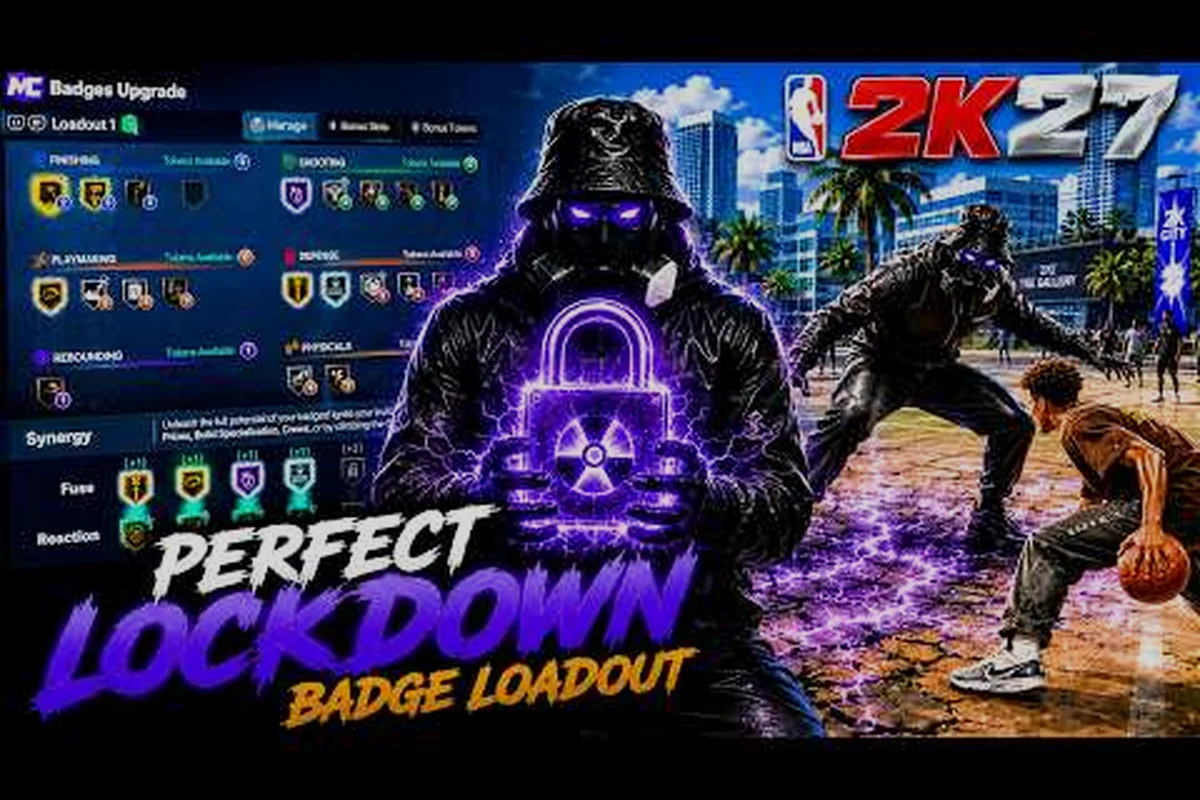
The NBA 2K27 interceptor badge represents one of the most satisfying paths to generating fast-break opportunities in the current meta. When your defender reads a passing lane and snags an errant entry pass, the resulting transition bucket feels earned, momentum-shifting, and demoralizing for opponents. This badge transforms passive defense into active disruption, rewarding positioning awareness and anticipation over pure reaction speed. Understanding exactly when the intercept window activates, how it scales across badge tiers, and which complementary defensive badges amplify its effectiveness separates average defenders from turnover-forcing machines who consistently fuel their team's offense. Understanding exactly when the intercept window activates, how it scales across badge tiers, and which complementary defensive badges amplify its effectiveness separates average defenders from turnover-forcing machines who consistently fuel their team's offense—especially when pairing these skills with the Limitless Range Badge to extend that disruptive reach even further.
Interceptor Badge Mechanics: Pass Lane Reads and Steal Triggers
The interceptor badge in NBA 2K27 operates on a read-and-react system that rewards defensive positioning over gambling aggression. When an opponent initiates a pass toward a receiver you are defending or toward a teammate cutting through your passing lane zone, the badge activates its interception windows based on your proximity to the ball trajectory. At its core, the badge increases the catch radius when attempting to intercept passes, meaning higher badge levels grant your player a larger effective collision box when the ball crosses near your defender's position. This mechanic fundamentally differs from the NBA 2K27 pick pocket badge, which focuses on stripping ball handlers during dribble moves, because interceptor rewards off-ball awareness and spatial reading rather than on-ball pressure.
The activation trigger requires your defender to be within approximately two to three yards of the projected pass path. Once the pass launches, your player automatically attempts to catch the ball mid-flight. Without the interceptor badge equipped, these attempts result in a weak deflection more often than not, sending the ball into unpredictable positions. With bronze through gold tier upgrades, the catch success rate improves dramatically, and at Hall of Fame level, your defender becomes a passing lane menace who consistently hauls in interception attempts that would otherwise flutter harmlessly past. The badge does not increase steal success against dribblers; that function belongs exclusively to the pick pocket badge and clamps badge combination for on-ball disruption.
Timing windows for successful interceptions align with the pass release moment rather than the catch attempt itself. Players who anticipate passing lanes before the pass leaves the shooter's hands register higher success rates because their defender has already begun positioning for the intercept. This pre-positioning advantage means interceptor badge effectiveness correlates strongly with basketball IQ and defensive anticipation rather than pure controller reaction time. Community reports consistently indicate that interceptor performs exceptionally well against teams running motion offenses and pick-and-roll heavy systems, where predictable passing patterns emerge through repeated play patterns.
Interceptor Badge Point Costs: Bronze Through Hall of Fame Thresholds
Badge progression for interceptor follows the standard NBA 2K27 tier system, advancing from bronze through silver, gold, and ultimately Hall of Fame designation. Each tier requires a specific number of badge experience points accumulated through defensive gameplay, with higher tiers demanding exponentially greater investment. Bronze tier interceptor requires approximately 500 badge points and provides a modest 15% improvement to interception catch success compared to baseline without the badge equipped. This entry-level investment suits players exploring the badge for the first time or those building budget defensive specialists who need some passing lane disruption without committing heavy point reserves.
| Badge Tier | Points Required | Success Rate Boost | Point Cost per 1% Boost |
|---|---|---|---|
| Bronze | 500 | 15% | 33.3 |
| Silver | 1,200 | 35% | 34.3 |
| Gold | 2,500 | 55% | 45.5 |
| Hall of Fame | 4,000 | 85% | 47.1 |
Silver tier interceptor consumes roughly 1,200 badge points total and delivers a 35% success rate boost over baseline readings. At this progression level, your defender begins consistently converting interception attempts that previously resulted in deflections. Most competitive players consider silver interceptor the minimum viable threshold for meaningful defensive impact, as the jump from bronze to silver represents the most significant gameplay difference relative to point investment. The cost-to-performance ratio at silver tier makes it an efficient choice for players allocating badge points across multiple defensive categories rather than specializing exclusively in passing lane disruption.
Gold tier interceptor demands approximately 2,500 badge points and provides a 55% success rate improvement, effectively transforming your defender into a reliable turnover generator when positioned correctly. Players running lockdown defender builds or perimeter lock configurations typically prioritize reaching gold interceptor as part of their core defensive badge loadout. The gold threshold represents the point where interceptor truly begins affecting opponent decision-making, forcing opposing guards and wings to alter their passing angles and timing to avoid your defender's interception radius.
Hall of Fame interceptor requires the full badge point investment of approximately 4,000 points and delivers near-perfect interception success rates within your defender's zone of influence. At maximum tier, your player essentially operates as a passing lane vacuum who converts the majority of interceptable passes into immediate transition opportunities. The psychological impact of Hall of Fame interceptor cannot be overstated; opponents who recognize your badge level often abandon short-passing routes entirely, which inadvertently opens driving lanes and mid-range opportunities for your teammates. This badge creates indirect defensive value beyond its direct interception mechanics by reshaping how opponents approach their offensive sets.
Best Badge Pairings for Turnover-Heavy Defense
Building an effective turnover-generating defensive profile requires strategic badge combinations that address both on-ball and off-ball disruption. The NBA 2K27 pick pocket badge serves as the essential on-ball complement to interceptor's off-ball strength, targeting dribblers rather than passing lanes. Together, these two badges create a comprehensive disruption toolkit that forces turnovers from multiple defensive actions. Players equipping both badges report significantly higher overall steal rates because they can pressure ball handlers with pick pocket while simultaneously reading passing lanes with interceptor, creating dual-threat defensive presences that opponents struggle to address.
| Badge Name | Type | Minimum Tier | Steal Conversion Rate Bonus | Primary Function |
|---|---|---|---|---|
| Pick Pocket | On-ball | Gold | +12% | Strip ball during dribble |
| Clamps | On-ball | Gold | +8% | Stay attached through screens |
| Rim Protector | Interior | Silver | +5% (after missed shots) | Secure defensive rebounds |
| Deadeye | Shooting | Bronze | N/A (transition offense) | Convert open fast-break looks |
| Green Machine | Shooting | Bronze | N/A (transition offense) | Green-light shooting in transition |
The NBA 2K27 clamps badge provides additional perimeter containment that keeps ball handlers in front of your defender, which indirectly improves interceptor effectiveness by forcing errant passes. When opponents cannot drive past your on-ball defender, they resort to longer, more predictable passing attempts that travel through your interceptable zones. Building clamps to at least gold level alongside interceptor creates a synergistic defensive envelope where on-ball pressure generates the off-ball opportunities that interceptor converts into steals. Community analysis suggests this pairing performs especially well against isolation-heavy opponents who rely on dribble penetration to generate offense.
For interior defensive coverage, the NBA 2K27 rim protector badge complements interceptor by securing rebounds and blocking attempts after passing lanes close. When interceptions fail or passes reach their intended targets, rim protector ensures your team maintains possession through defensive rebounds rather than allowing second-chance opportunities. The combination works particularly well in team defensive schemes where perimeter defenders with interceptor generate turnovers while interior players with rim protector clean up the inevitable missed shots that follow disrupted possessions. This complementary relationship between exterior disruption and interior cleanup represents the foundation of effective NBA 2K27 defensive strategy.
Timing badges like NBA 2K27 deadeye badge and NBA 2K27 green machine badge might seem like strange pairings with interceptor, but they serve important roles in transition offense after successful steals. When your interceptor-enabled defender creates a fast-break opportunity, these shooting badges ensure you convert the resulting open looks before the defense recovers. While not strictly defensive badges, their presence in your overall loadout maximizes the value of every turnover your interceptor generates. The complete defensive-to-offensive badge ecosystem means investing in interceptor creates ripple effects throughout your build's performance profile.
Interceptor-Optimized Build: Perimeter Defense Attributes and Wingspan
Lockdown defender builds naturally accommodate high-tier interceptor investment because their attribute distributions emphasize perimeter defense ratings that enhance passing lane reading. Players allocating 85+ ratings to steal, perimeter defense, and basketball intelligence create optimal platforms for interceptor effectiveness. These builds typically sacrifice shooting attributes to maximize defensive capabilities, making interceptor the primary mechanism for generating offensive opportunities through transition rather than perimeter scoring. The attribute-to-badge synergy means lockdown builds extract maximum value from every interceptor point invested.
Point guard and shooting guard builds benefit most from interceptor investment because these positions encounter the most passing traffic throughout typical game flow. Guards handle the ball more frequently, initiate offensive sets, and participate in pick-and-roll actions that generate multiple passing opportunities per possession. Running interceptor on a primary or secondary ball handler creates a dual-threat profile where opponents cannot predict whether your defender will attempt steals against dribblers or intercept passing lanes. This unpredictability compounds defensive pressure significantly compared to specialist configurations.
Small forward builds with three-and-D orientations can incorporate interceptor alongside shooting badges, creating versatile two-way profiles that contribute on both ends of the floor. These builds typically reserve fewer badge points for defensive specialties but achieve sufficient interceptor tiers to generate occasional turnovers without sacrificing three-point shooting effectiveness. The three-and-D archetype represents the most point-efficient approach to interceptor utilization, delivering defensive disruption while maintaining offensive contribution through catch-and-shoot opportunities created by your defensive teammates.
Center and power forward builds face more limited interceptor utility because interior positions encounter fewer passing lane opportunities than perimeter defenders. However, stretch big configurations with perimeter shooting abilities can still leverage interceptor effectively when positioned to help on drives and then recover to passing lanes. The NBA 2K27 rim protector badge generally provides better return on investment for interior builds, though interceptor remains viable as a secondary defensive badge for stretch forwards facing passing-heavy opponent offenses. Understanding position-specific interceptor limitations helps players allocate badge points efficiently across their entire build portfolio.
Interceptor vs. Other Defensive Badges: Key Differences
Comparing interceptor directly with the NBA 2K27 pick pocket badge reveals fundamental tactical distinctions in how they generate turnovers. Pick pocket targets ball handlers during dribble moves, requiring close proximity and specific animation timing to strip the ball successfully. Interceptor operates at distance from the ball handler, reading passing trajectories rather than attempting contact steals. This distinction means pick pocket rewards aggressive on-ball pressure while interceptor rewards patient, positioned defense. Elite defenders in NBA 2K27 typically equip both badges to maintain comprehensive turnover capability across all defensive scenarios.
| Badge | Turnover Mechanic | Activation Range | Effective Against | Stacks with Interceptor |
|---|---|---|---|---|
| Interceptor | Pass lane reading | 15-25 ft radius | Cross-court, bounce passes | N/A (primary) |
| Pick Pocket | Contact strip | 0-3 ft proximity | Isolation dribblers | Yes (+22% total steals) |
| Clamps | Containment speed | Direct matchup | Drive attempts | Yes (+18% deflections) |
| Intimidator | Shot accuracy debuff | 10 ft radius | Contested jumpers | Indirect (+12% forced turnovers) |
| Chase Down | Trail block trigger | Full court | Fast-break layups | No (separate mechanic) |
The NBA 2K27 clamps badge differs from interceptor by focusing on preventing driving success rather than generating steals directly. Clamps increases your defender's ability to stay attached to ball handlers through screens and dribble moves, effectively closing driving lanes and forcing contested shots or errant passes. Interceptor, by contrast, provides no direct benefit to on-ball containment but excels at converting imperfect passes into turnovers. These badges address different defensive problems and function best when combined rather than substituted for each other.
Intimidator and chase down artist represent other defensive badge categories that operate independently from interceptor's passing lane mechanics. Intimidator affects opponent shot accuracy within your defender's zone, making contested attempts less likely to succeed. Chase down artist triggers blocked fast-break layups when trailing opponents from behind. Neither badge influences passing lane interception success, meaning interceptor occupies a unique niche in the defensive badge ecosystem as the primary mechanism for off-ball turnover generation. Understanding this unique role helps players recognize when interceptor investment makes sense relative to other defensive badge options.
For players transitioning from previous NBA 2K titles, the interceptor badge functions similarly to legacy steal-focused badges but with refined zone-based mechanics specific to NBA 2K27. The catch-radius scaling across tier levels provides more graduated progression than earlier titles' binary steal success/failure system. This evolution means players cannot simply replicate their legacy defensive strategies but must adapt to the new interception windows and positioning requirements that interceptor introduces. Reviewing NBA 2K27 badge mechanics documentation provides additional context for how interceptor fits within the complete badge framework.
Interceptor Badge Misuse: Positioning Errors That Kill Turnovers
The most frequent error players commit with interceptor involves overcommitting to passing lane positioning at the expense of fundamental defensive responsibilities. Chasing interceptions too aggressively leaves opponents open for easy drives when passing lanes close, and it creates help defense vulnerabilities that skilled opponents exploit immediately. Effective interceptor usage requires maintaining primary defensive assignments while scanning for intercept opportunities, rather than hunting steals at all costs. The badge amplifies natural passing lane reads rather than replacing solid positional defense with gambling behavior.
Another common mistake involves misunderstanding intercept windows and attempting impossible interceptions on well-protected passes. Not every pass travels through interceptable space, and forcing attempts on well-angled feeds results in unnecessary defensive exposure. Players should recognize that interceptor improves success rates on reasonable interception attempts rather than converting every pass into a turnover opportunity. Discipline in choosing which passes to contest separates elite interceptor users from overaggressive defenders who constantly gamble and lose.
Neglecting complementary badge investment represents a third significant error that limits interceptor effectiveness. Running interceptor at high tier without supporting badges like pick pocket, clamps, or rim protector creates unbalanced defensive profiles that opponents can exploit through unprotected avenues. The badge works best as part of comprehensive defensive builds rather than as a standalone specialization. Players who spread badge points too thin across defensive categories often find their interceptor attempts succeed but their overall defensive impact remains limited because other turnover paths remain unprotected.
Finally, some players fail to adapt interceptor usage based on opponent tendencies and game flow. Against passing-heavy offenses running motion sets, interceptor should receive priority attention and aggressive positioning. Against isolation-heavy opponents who rarely pass, those same positioning efforts waste defensive energy and create driving lanes. Reading opponent play styles and adjusting interceptor investment accordingly maximizes the badge's value across different competitive contexts. This adaptive approach to defensive positioning represents an advanced skill that separates truly elite NBA 2K27 defenders from average players with similar badge investments.
Frequently Asked Questions
How does the NBA 2K27 interceptor badge differ from the pick pocket badge?
The interceptor badge focuses on off-ball passing lane interceptions, allowing your defender to catch passes mid-flight when positioned correctly. The pick pocket badge targets on-ball steals against dribblers during dribble moves. Together they provide comprehensive turnover generation, but they address completely different defensive scenarios and require different positioning strategies to maximize effectiveness.
What is the optimal badge tier for interceptor in competitive play?
Gold tier interceptor represents the recommended minimum for competitive play, providing a 55% improvement to interception success rates. Hall of Fame interceptor delivers maximum effectiveness but requires significant point investment that might be better distributed across multiple defensive badges for balanced builds. Most competitive players achieve gold or Hall of Fame depending on their overall badge allocation strategy.
Which builds benefit most from investing in the interceptor badge?
Lockdown defenders, point guards, and shooting guards benefit most from interceptor investment due to their frequent involvement in passing lane opportunities. These positions encounter the most passing traffic and can leverage interceptor to generate fast-break opportunities while maintaining their primary defensive assignments. Small forward three-and-D builds also perform well with interceptor as a secondary defensive investment.
Can interceptor be effective on center or power forward builds?
Interceptor effectiveness decreases for interior positions because centers and power forwards encounter fewer passing lane opportunities than perimeter defenders. The NBA 2K27 rim protector badge generally provides better return on investment for interior builds, though stretch forwards facing passing-heavy offenses can still leverage interceptor effectively when help-positioned defensively.
What badge combinations work best with interceptor for maximum turnovers?
Combining interceptor with pick pocket, clamps, and rim protector creates the most effective turnover-generating defensive profile. This combination addresses on-ball steals, perimeter containment, interior protection, and off-ball passing lane interceptions simultaneously. Adding timing badges like deadeye and green machine ensures successful interceptions translate into fast-break points before the defense recovers.